Many lash lovers give up on extensions due to allergic reactions from traditional glue. That sting, redness, or swelling is frustrating—especially for salon clients with sensitive eyes. But a new innovation is changing everything. UV lash glue claims to be hypoallergenic. Is it really safe for allergy-prone clients?
Yes, clients with lash glue allergies can still get extensions using UV lash glue. This adhesive cures instantly under UV light, reducing exposure to airborne fumes, a common cause of allergic reactions. Hypoallergenic UV lash glue is formaldehyde-free, latex-free, and designed for sensitive eyes—making it an ideal alternative for those with traditional lash glue allergies.
So how does UV lash glue really work—and is it truly safe for allergy-sensitive clients? Let’s explore the science, safety, and what to look for in hypoallergenic adhesives.
Is UV Lash Glue Hypoallergenic?
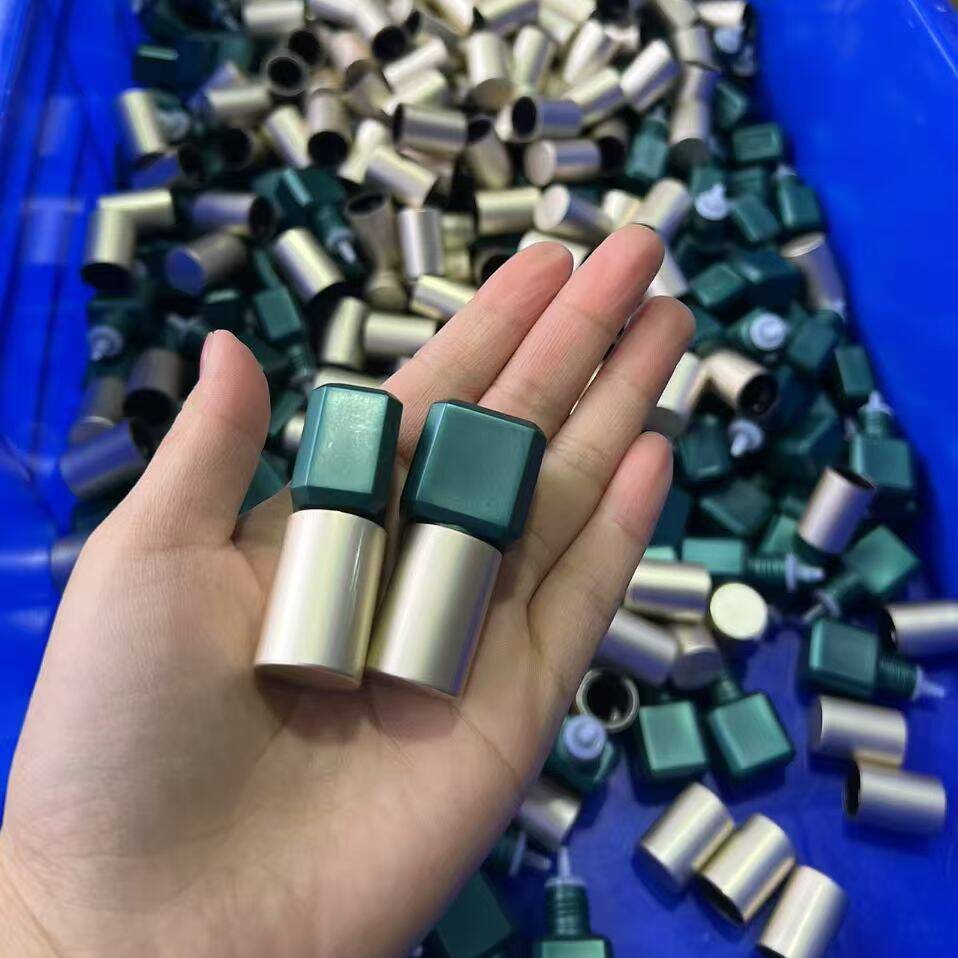
UV lash glue is often labeled hypoallergenic because it significantly reduces exposure to common irritants. Unlike traditional adhesives that release fumes as they cure slowly, UV glue polymerizes instantly under LED/UV light. This reduces the presence of airborne allergens.
Plus, most high-quality UV lash glues—like the ones used with our Censreal UV lash curing lamp—are formaldehyde-free, latex-free, and low-fume, making them ideal for salons serving sensitive clients.
What Eyelash Glue Can I Use If I’m Allergic to Eyelash Glue?
If your clients have a mild allergy, you might try sensitive lash glues with reduced cyanoacrylate content. These glues dry slower and don’t retain as long, but they’re gentler. Brands often offer versions like BL Advanced Glue or Lily Glue, made specifically for sensitive eyes.
However, if cyanoacrylate is the root cause, switching to UV lash glue could be the better solution. It doesn’t rely on slow air-drying and may bypass the usual triggers altogether.
What Is the Best Hypoallergenic Glue for Eyelash Extensions?
The best hypoallergenic glue balances fast curing, low fumes, and non-irritating ingredients. Look for glues labeled:
- Cyanoacrylate-free or low-cyanoacrylate
- Latex-free
- Formaldehyde-free
- Cures under UV/LED light
At Censreal, we’ve designed UV lash glue compatible with our curing systems to meet these exact standards—perfect for salons needing a reliable hypoallergenic option for lash clients.
Can You Get Lash Extensions If You Are Allergic to Adhesive?
In most cases, yes—but with caution. Allergies to lash glue, especially to cyanoacrylate, can be serious. If a client has reacted before, do a patch test first and consider switching to:
- Clear or sensitive glue with less irritants
- UV lash glue, which reduces exposure to airborne allergens
- Cluster or strip lashes applied with hypoallergenic adhesive for occasional use
Always monitor the client after application to catch delayed reactions.
What Is Cyanoacrylate, and Why Do Most People React to It?
Cyanoacrylate is the main bonding agent in most lash glues. While it ensures strong retention, it also releases fumes that can irritate eyes or skin—especially in poorly ventilated salons.
Allergic reactions may include:
- Redness or itching
- Swollen eyelids
- Watery eyes
- Burning sensation
UV lash glue typically minimizes or eliminates this reaction by avoiding slow air-curing.
How Does UV Lash Glue Reduce Allergic Reactions?
UV lash glue uses a light-curing mechanism. The adhesive sets instantly under a UV curing lash lamp, which:
- Reduces air exposure
- Minimizes irritant fumes
- Prevents overexposure on the skin
This makes it especially useful for clients with sensitive eyes or chronic allergies to traditional lash products.
Are There Truly Hypoallergenic Lash Extensions Available?
Yes, but the lash extensions themselves aren’t usually the problem—it’s the glue that causes reactions. That said, for extra-sensitive clients:
- Use synthetic lashes with non-coated finishes
- Avoid lashes made from mink or natural fibers
- Pair with hypoallergenic UV lash glue for the best results
This combination greatly reduces the chances of irritation or inflammation.
Can a Glue Allergy Go Away Over Time?
Not always. Some clients may outgrow mild sensitivity, especially if triggered by environmental factors. But in many cases, glue allergies can worsen over time. This is why it’s safer to switch to low-allergen or UV lash glues early, especially for repeat clients who’ve shown signs of irritation before.
UV Lash Glue vs. Traditional Lash Glue: Which Is Better for Sensitive Eyes?
| Feature | Traditional Lash Glue | UV Lash Glue |
|---|---|---|
| Curing Method | Air dry | UV light |
| Main Ingredient | Cyanoacrylate | Modified cyanoacrylate or alternative |
| Fumes | High | Low |
| Allergy Risk | Moderate to High | Low |
| Retention | Good | Excellent |
For clients with allergies or lash techs working in sensitive environments, UV lash glue offers a significant advantage.
In Summary
Lash glue allergies don’t mean the end of beautiful lashes. With hypoallergenic UV lash glue, salons now have a safe alternative for sensitive clients. Have you tried UV lash glue yet? Drop your questions or contact us to learn more about wholesale options for your salon or beauty brand.
